Uluwatu is not the kind of place you rush through. Life here moves at a different pace, shaped by cliffs, ocean winds, and days that revolve around light rather than schedules. For travelers and long-stay guests who feel overwhelmed by busier areas of Bali, Uluwatu offers something increasingly rare: space to slow down, breathe, and reset.
This is not just about where you sleep. It is about how your days unfold.
Living in Uluwatu is defined by rhythm rather than activity. Mornings start earlier, evenings end sooner, and everything in between feels intentional.
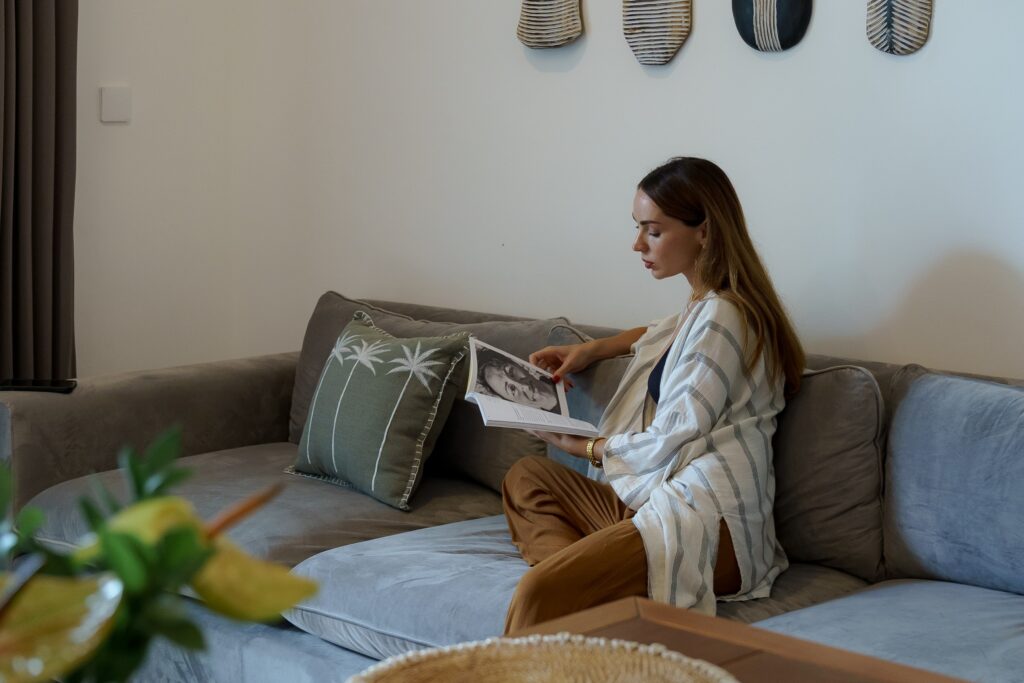
A typical day often begins with morning coffee enjoyed outdoors, with ocean air replacing traffic noise. Many residents start their mornings quietly, whether that means a short walk along the cliffs, light stretching, or simply sitting with a book while the sun rises higher.
Midday tends to revolve around the beach or personal routines. Some head down to nearby beaches like Padang Padang or Bingin, while others stay closer to home to work remotely, rest, or escape the midday heat. Afternoons are slower here, not rushed by errands or social pressure.
As the day winds down, sunset becomes the main event. People gather naturally at cliff viewpoints or beach access points, not to party but to pause. Evenings are calm, often spent dining nearby or staying in, which makes Uluwatu especially appealing for those who value rest and consistency.
The contrast between Uluwatu and Canggu is noticeable almost immediately.
Uluwatu has fewer crowds, especially outside peak surf spots and sunset hours. Roads are quieter, cafes feel less rushed, and daily life feels less performative. You are not surrounded by constant noise or movement, which makes it easier to focus or disconnect when needed.
Mornings tend to start earlier because people align with natural light rather than nightlife schedules. This creates a healthier routine for many long-term visitors.
Most importantly, days in Uluwatu are sunset-focused rather than nightlife-focused. Social moments happen during golden hour, not late at night, which naturally encourages better rest and balance.
Uluwatu is spread out, and not every area offers the same level of comfort or convenience. Choosing the right place to stay has a direct impact on how enjoyable daily life feels.
A well-located stay reduces the need for long daily rides, especially important if you plan to stay for weeks or months. It also helps you maintain a routine, whether that includes beach access, work hours, or simple errands.
Comfort also matters more here because many evenings are spent at home. Quiet interiors, good ventilation, and thoughtful design are not luxuries but necessities for long-term comfort.
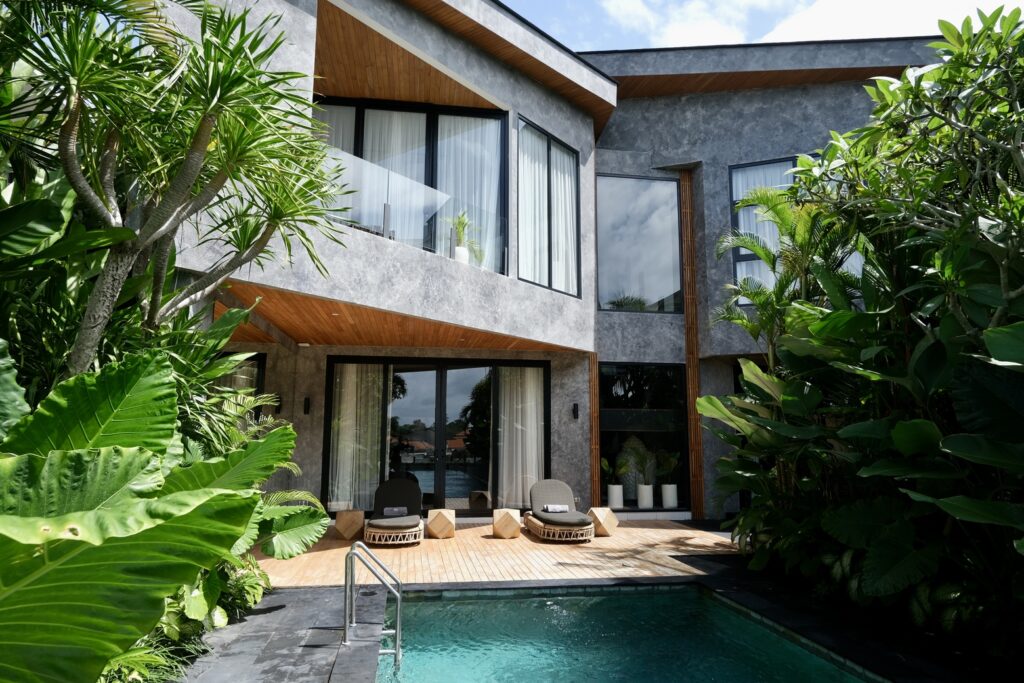
Sunny Samudra fits naturally into Uluwatu’s calm lifestyle. Designed as a boutique-style stay rather than a party-focused property, it offers a peaceful base that supports slower days and restful nights.
The design prioritizes comfort and simplicity, making it easy to settle into a routine without distractions. Its location allows guests to access key beaches and dining spots without feeling surrounded by crowds. This balance makes daily life smoother, especially for couples, surfers, and long-stay guests who value quiet over constant activity.
Instead of pulling you into the buzz, a place like Sunny Samudra allows Uluwatu to be experienced as it truly is: relaxed, grounded, and deeply connected to nature.
Uluwatu is ideal for travelers who prefer calm over convenience-heavy nightlife. It suits couples looking for privacy, surfers who follow ocean conditions, and long-term guests who want a healthier daily rhythm.
If your idea of Bali includes early mornings, meaningful sunsets, and evenings that end peacefully, Uluwatu offers a lifestyle that feels sustainable rather than exhausting.
Sometimes, slowing down is not about doing less. It is about choosing a place that lets life breathe.
Is Uluwatu a good place to live long term in Bali?
Yes, Uluwatu is ideal for long stays if you prefer a quiet lifestyle, scenic surroundings, and a consistent daily rhythm without heavy crowds.
How is living in Uluwatu different from Canggu?
Uluwatu offers fewer crowds, calmer evenings, and a lifestyle centered around nature and sunsets rather than nightlife and social scenes.
Do I need a scooter to live in Uluwatu?
In most cases, yes. However, choosing a well-located stay close to beaches and dining can significantly reduce daily travel time.
Is Uluwatu suitable for remote work?
Uluwatu works well for remote workers who value focus and calm, especially when staying in accommodations with reliable Wi-Fi and comfortable interiors.
Who should consider staying at Sunny Samudra?
Sunny Samudra is well suited for couples, surfers, and long-stay guests who want a peaceful base that aligns with Uluwatu’s slower pace.